
If you’re researching XERF vs Ultherapy, understanding how each treatment works is the first step toward choosing the best non-surgical skin tightening solution.
Fortunately, today’s aesthetic technology offers several effective options. Among the most talked-about treatments are XERF and Ultherapy. Both are designed to tighten skin and stimulate collagen without incisions or downtime, but they work in very different ways.
If you’re researching XERF vs Ultherapy, understanding how each technology delivers energy, what tissues they target, and the type of results you can expect is essential before making a decision.
In this guide, we’ll compare both treatments in detail, explain their advantages, discuss ideal candidates, and help you determine which may better suit your skin concerns.
What Is XERF?
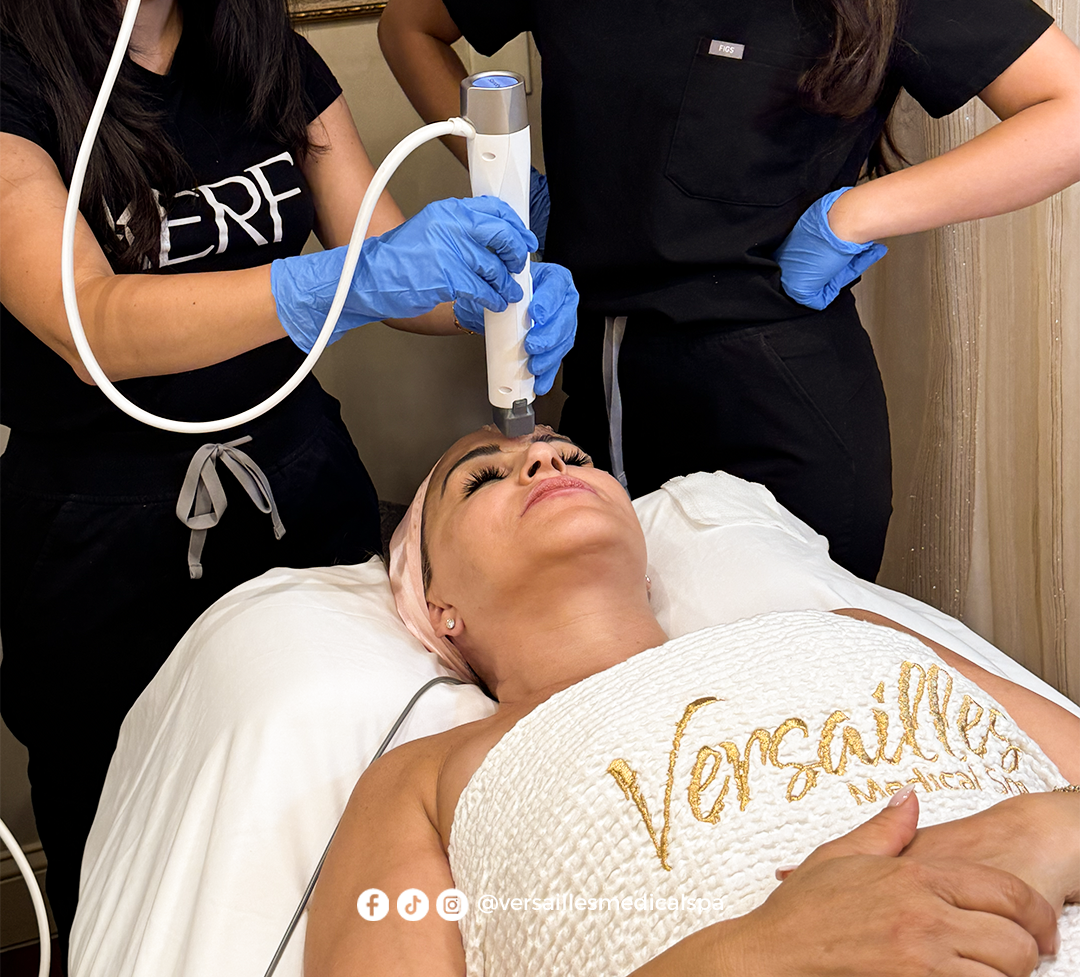
XERF is an advanced radiofrequency (RF) skin tightening treatment designed to stimulate collagen remodeling while providing a comfortable treatment experience.
Unlike older RF devices, XERF combines intelligent energy delivery with continuous temperature monitoring to maintain therapeutic heat throughout the treatment. This controlled heating encourages the body’s natural collagen and elastin production while minimizing discomfort.
One of XERF’s defining features is its Never-Numb™ technology, allowing many patients to undergo treatment without topical numbing cream.
XERF is commonly used to improve:
- Mild to moderate skin laxity
- Early jowls
- Loose jawline
- Neck laxity
- Fine lines
- Wrinkles
- Skin texture
- Overall skin firmness
The treatment produces gradual, natural-looking improvements as new collagen develops over the following weeks and months.
What Is Ultherapy?
Ultherapy is an FDA-cleared treatment that uses microfocused ultrasound with visualization (MFU-V) to stimulate collagen production.
Unlike radiofrequency treatments, Ultherapy delivers focused ultrasound energy deeper beneath the skin, reaching the Superficial Musculoaponeurotic System (SMAS), the same structural layer addressed during a surgical facelift.
By creating precise thermal coagulation points deep within the tissue, Ultherapy initiates the body’s wound-healing response, resulting in new collagen formation over time.
Ultherapy is frequently used for:
- Brow lifting
- Jawline definition
- Neck tightening
- Under-chin laxity
- Mild facial sagging
- Décolletage wrinkles
Understanding the SMAS Layer
One reason many patients search “XERF or Ultherapy for SMAS layer” is because the SMAS plays an important role in facial aging.
The SMAS is a layer of connective tissue and muscle located beneath the skin and fat. It supports facial structures and contributes significantly to facial contours.
During a surgical facelift, surgeons tighten this layer to achieve longer-lasting lifting results.
Ultherapy specifically targets the SMAS using focused ultrasound energy.
XERF primarily works by heating the dermis and fibroseptal network with radiofrequency energy, stimulating collagen remodeling and skin contraction. While its clinical effect improves skin firmness and contour, it does not directly target the SMAS as Ultherapy does.
This distinction is one of the biggest differences between these treatments.
XERF vs Ultherapy: How the Technologies Differ
| Feature | XERF | Ultherapy |
|---|---|---|
| Energy Source | Radiofrequency (RF) | Microfocused ultrasound |
| Primary Target | Dermis and connective tissue | SMAS layer and deeper tissue |
| Treatment Comfort | Generally comfortable | Often associated with moderate discomfort |
| Need for Numbing | Usually unnecessary | Frequently recommended |
| Downtime | Minimal | Minimal |
| Results Timeline | Gradual collagen remodeling | Gradual lifting over several months |
| Best For | Skin firmness and collagen stimulation | Deeper structural lifting |
How XERF Stimulates Collagen
Radiofrequency energy creates controlled heat within the skin.
This heat triggers fibroblasts, the cells responsible for collagen and elastin production—to begin producing new structural proteins.
Over time, patients notice:
- Firmer skin
- Improved elasticity
- Better skin quality
- Smoother texture
- Sharper facial definition
Because collagen remodeling is gradual, improvements continue developing for several months after treatment.
How Ultherapy Works
Ultherapy uses concentrated ultrasound waves that pass through the skin without damaging the surface.
The energy is focused at specific depths beneath the skin, creating tiny thermal injuries.
These microscopic treatment zones stimulate the body’s healing response, generating new collagen and tissue remodeling over time.
Its ability to reach deeper structures makes it unique among many non-invasive treatments.
Which Treatment Feels More Comfortable?
Comfort is often one of the biggest deciding factors.
XERF
Most patients describe XERF as:
- Warm
- Comfortable
- Easy to tolerate
The device continuously monitors tissue temperature, helping maintain consistent heating while avoiding excessive discomfort.
Many patients complete treatment without topical numbing.
Ultherapy
Ultherapy has historically been associated with greater discomfort because ultrasound energy reaches deeper tissues.
Patients often describe sensations as:
- Deep heat
- Brief stinging
- Tingling
- Pressure
Many providers recommend topical anesthetics or oral pain medication to improve comfort.
Which Produces Better Skin Tightening?
The answer depends on your goals.
XERF may be ideal if you want:
- Overall skin rejuvenation
- Improved skin quality
- Firmer skin
- Better texture
- Comfortable treatment sessions
- Gradual natural improvements
Ultherapy may be ideal if you want:
- More structural lifting
- Brow elevation
- Jawline improvement
- Neck tightening
- SMAS-level collagen stimulation
Neither treatment produces the dramatic lifting achieved with surgery, but both can noticeably improve mild to moderate skin laxity.
Treatment Areas
XERF
Common treatment areas include:
- Face
- Neck
- Jawline
- Cheeks
- Under chin
Some providers also use XERF on various body areas, depending on treatment goals.
Ultherapy
Frequently treats:
- Brow
- Chin
- Neck
- Jawline
- Décolletage
Results Timeline
XERF
Patients often notice:
- Early skin tightening within weeks
- Progressive collagen formation
- Continued improvement for 3–6 months
Ultherapy
Most patients experience:
- Gradual lifting
- Ongoing collagen production
- Peak improvement around 2–6 months
Since collagen remodeling is a biological process, neither treatment produces instant final results.
How Long Do Results Last?
Results vary based on:
- Age
- Genetics
- Lifestyle
- Sun exposure
- Smoking
- Skincare routine
Generally, improvements from both treatments can last about a year or longer, though maintenance sessions are often recommended to support ongoing collagen production.
Who Is a Good Candidate?
You may be a good candidate if you have:
- Mild to moderate skin laxity
- Early signs of aging
- Fine lines
- Mild jowls
- Loose neck skin
- Realistic expectations
- A desire to avoid surgery
Patients with severe sagging or excess skin may benefit more from surgical procedures.
Is XERF a Good Ultherapy Alternative in Darien CT?
If you’re searching for an Ultherapy alternative Darien CT, XERF offers a compelling option for patients who prioritize comfort, gradual collagen stimulation, and natural-looking rejuvenation.
While Ultherapy is known for targeting the SMAS layer, many individuals prefer XERF for its comfortable treatment experience and ability to improve skin firmness, texture, and elasticity, often without the need for numbing.
The best choice ultimately depends on your anatomy, degree of skin laxity, treatment goals, and a professional consultation.
Frequently Asked Questions
Which is better: XERF vs Ultherapy?
The answer depends on your goals. XERF vs Ultherapy is not about which treatment is universally better, but which technology is better suited to your individual needs.
Does XERF reach the SMAS layer?
No. XERF primarily heats the dermis and connective tissue to stimulate collagen remodeling. Ultherapy is specifically designed to target the SMAS layer using focused ultrasound.
Which treatment is more painful?
Most patients find XERF considerably more comfortable than Ultherapy. Ultherapy commonly requires pain management due to the deeper delivery of ultrasound energy.
How many sessions will I need?
The number of treatments depends on your skin condition and aesthetic goals. Some patients benefit from a single session, while others may achieve better outcomes with a personalized treatment plan recommended by their provider.
Can XERF replace a facelift?
No. Neither treatment can replicate the results of a surgical facelift procedure. However, when comparing XERF vs Ultherapy, both are excellent non-invasive options for individuals with mild to moderate skin laxity who want to improve firmness, stimulate collagen production, and achieve a more refreshed appearance without surgery.
Final Thoughts
At Versailles Medical Spa, we understand that choosing between XERF vs Ultherapy depends on more than just the technology it depends on your skin, your goals, and the type of results you want to achieve. Both treatments provide non-surgical skin tightening by stimulating collagen production, but they work differently and target different levels of the skin.
XERF uses advanced radiofrequency energy to encourage collagen remodeling, helping improve skin firmness, elasticity, and overall texture with a comfortable treatment experience. Ultherapy uses microfocused ultrasound technology to reach deeper tissue layers, including the SMAS layer, making it a popular option for patients looking for deeper lifting and tightening effects.
During your consultation at Versailles Medical Spa, our experienced providers will evaluate your skin laxity, facial structure, and aesthetic goals to determine whether XERF, Ultherapy, or another treatment option is the best fit for you. Our goal is to help you achieve natural-looking, refreshed results with a personalized treatment plan designed around your needs.